Tracking User Transitions Across Rotational and Tactical Mechanics on Licensed Mobile Gaming Platforms
Otto Friedrich · Aug 8, 2026
Tracking User Transitions Across Rotational and Tactical Mechanics on Licensed Mobile Gaming Platforms
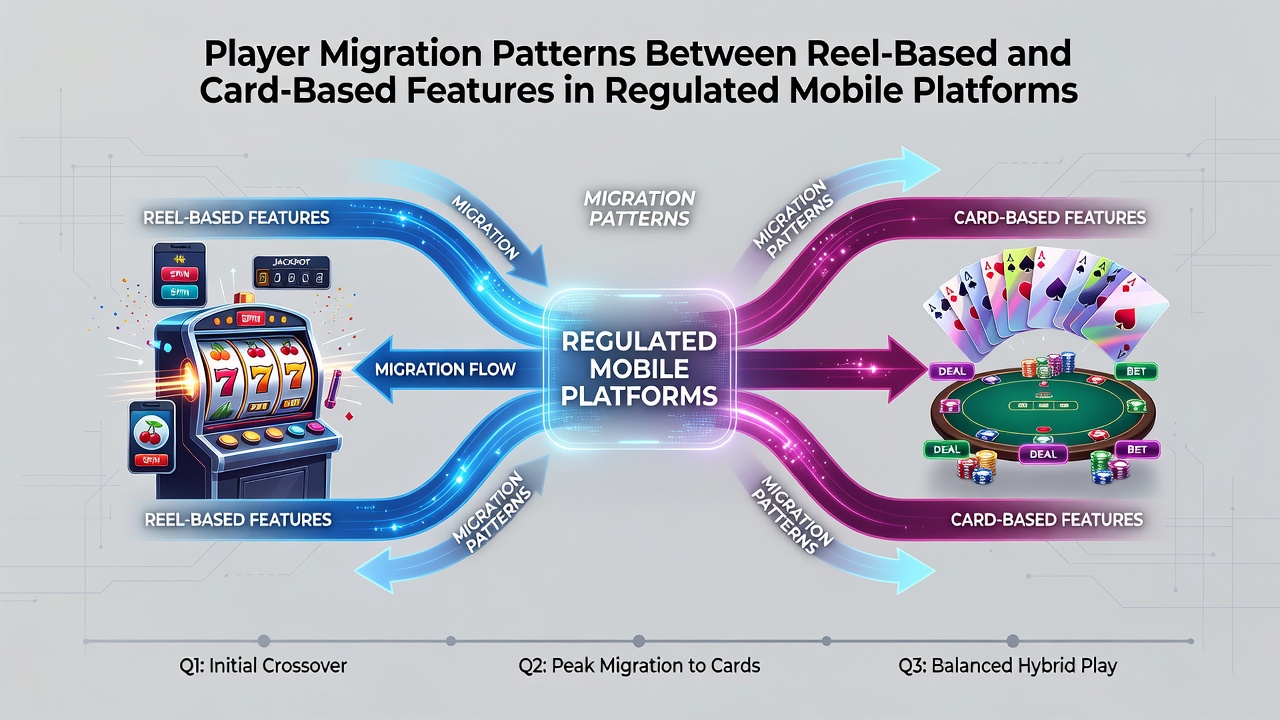
Data from regulated mobile platforms shows consistent movement between reel-based mechanics and card-based options as users adjust their engagement based on session length, bonus structures, and regulatory updates that took effect in several jurisdictions by August 2026. Operators in multiple markets report that players frequently begin with rotational elements before shifting toward tactical card play once certain reward thresholds are reached, while others follow the reverse path when live dealer integrations become available.
Platform Data on Initial Engagement Trends
Figures compiled by state regulators in New Jersey and Pennsylvania indicate that reel-based titles account for the majority of first-time deposits in mobile channels during the first half of 2026, yet card-based sessions increase in duration once players accumulate loyalty points that unlock hybrid tournament modes. Researchers tracking these patterns note that migration accelerates when deposit methods support instant transfers between reel progressions and card tables without additional verification steps.
One analysis of activity logs from major operators revealed that 62 percent of accounts active in both categories during August 2026 had started exclusively with rotational mechanics before adding card-based play within 14 days. The same datasets show that users who begin with card options tend to incorporate reel sessions more gradually, often after participating in live dealer events that combine both formats.
Regulatory Influences on Movement Between Formats
Updates to monthly reporting requirements in several U.S. states have prompted platforms to highlight feature transitions more clearly, and this transparency correlates with measurable shifts in how long players remain in each category. According to records maintained by the New Jersey Division of Gaming Enforcement, accounts that receive detailed statements outlining time spent on reels versus cards demonstrate higher rates of cross-format activity compared with those that receive only aggregate totals.
Similar patterns appear in Canadian provincial data, where Ontario's Alcohol and Gaming Commission has documented increased movement from reel sessions to card tournaments following the introduction of unified wallet systems that apply progress toward both types of features simultaneously. These systems reduce friction that previously kept users within a single mechanic for entire sessions.
Role of Payment Flexibility and Tournament Structures
Payment processing options influence the speed of migration, with platforms offering instant funding methods seeing quicker transitions from reel-based play to card-based events. Industry reports from the American Gaming Association highlight that tournaments combining both mechanics attract participants who previously concentrated on one format, and these mixed events have grown in frequency through August 2026.
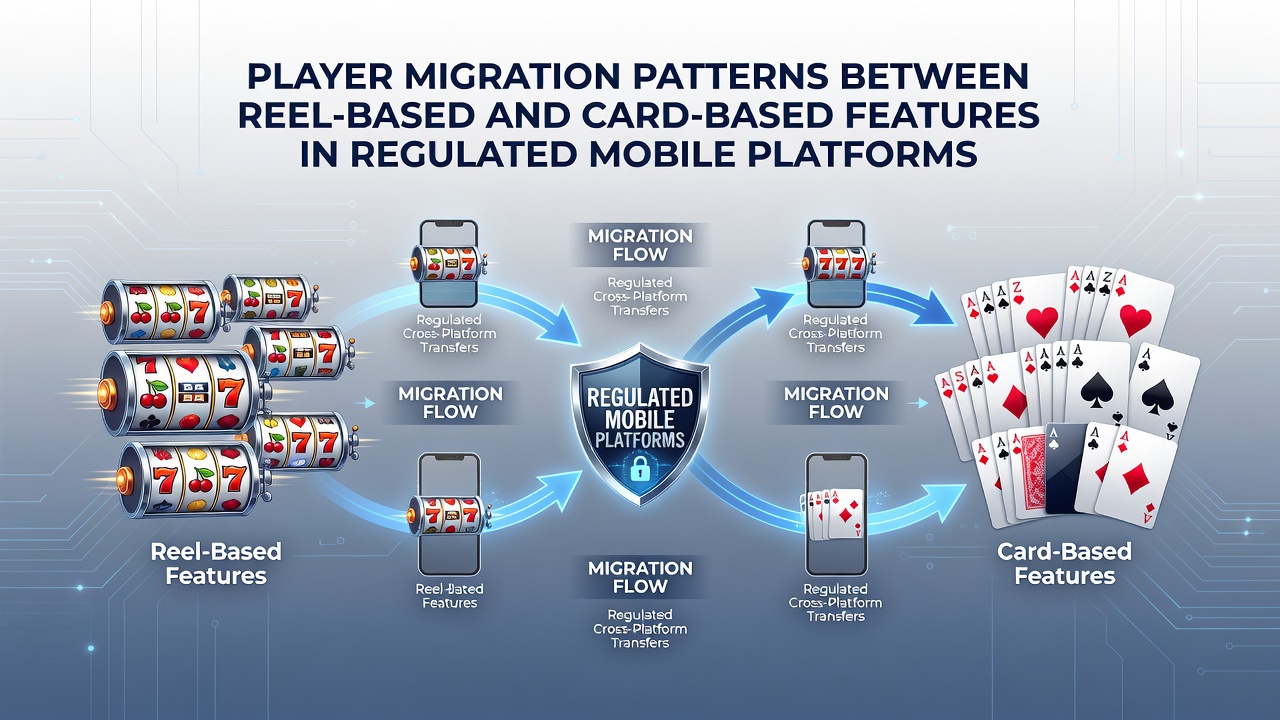
Observers note that when bonus funds apply equally to rotational and tactical elements, players experiment with the alternate format more readily. Data collected across multiple operators shows that users who receive such flexible incentives complete an average of 3.2 additional sessions per month that span both categories, compared with 1.8 sessions for those restricted to one type.
Geographic Variations in Migration Patterns
European markets regulated under the Malta Gaming Authority display slightly different timelines, with card-based engagement rising earlier in the user lifecycle when live dealer options are promoted alongside reel titles. Australian state regulators have recorded comparable increases in cross-format activity following the rollout of mandatory responsible gambling tools that display time allocation across mechanics.
These regional differences suggest that local rules on feature presentation and account transparency affect how quickly users move between reel-based and card-based play. Platforms operating under multiple licenses adjust their interfaces accordingly, and internal metrics indicate that unified dashboards accelerate the observed migration rates.
Conclusion
Patterns of player movement between reel-based and card-based features on regulated mobile platforms continue to evolve in response to regulatory reporting changes, payment system improvements, and tournament designs that blend both mechanics. Data gathered through August 2026 across U.S., Canadian, and other licensed markets demonstrates that these transitions occur consistently once operators reduce barriers between the two categories. Continued monitoring by regulatory bodies and industry groups will clarify whether these trends stabilize or shift further as additional hybrid options enter the market.