Regulatory Divergence in Regions Governing Blended Events of Reel Rotations and Tactical Card Play
Quinn Baumann · Jul 21, 2026
Regulatory Divergence in Regions Governing Blended Events of Reel Rotations and Tactical Card Play
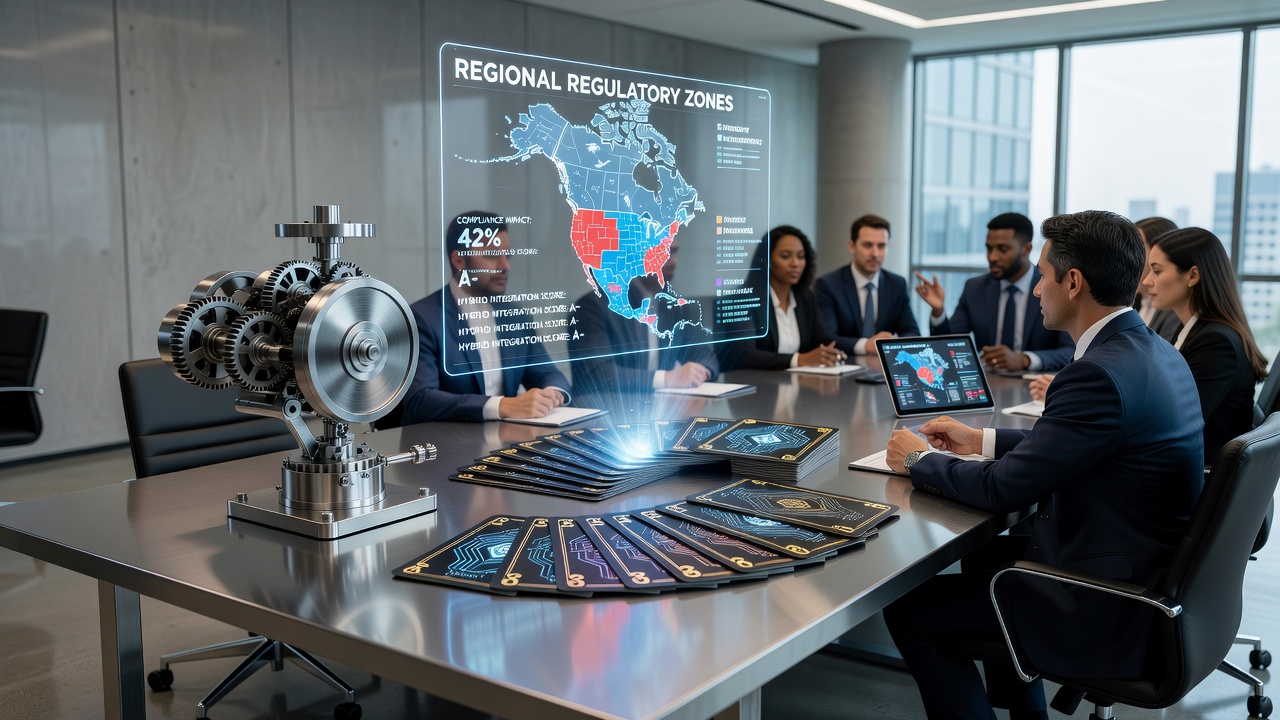
Regional policies continue to shape hybrid event structures that integrate rotational machines with tactical card play, creating layered compliance requirements for operators who must align mechanical gaming rules with card-based competition standards. Data from multiple jurisdictions shows that these blended formats face distinct approval processes depending on location, where licensing bodies evaluate both reel mechanics and strategic card elements under separate yet overlapping statutes.
North American Variations in Licensing and Structure
North American regulators apply differing standards to these hybrid setups, and operators often adjust event designs to meet state or provincial mandates that treat rotational devices as one category while classifying card play under another. Nevada authorities have documented how such events require dual certification for machine components alongside player conduct rules typical of card rooms, which leads organizers to segment tournaments into distinct phases. Ontario's Alcohol and Gaming Commission has published guidelines indicating that portable platforms hosting mixed formats must incorporate age verification systems that satisfy both machine and card play criteria simultaneously.
These layered approvals influence how events schedule rounds, since reel sessions and card rounds operate under separate payout verification timelines. Observers note that July 2026 brings updated reporting deadlines in several provinces that will require operators to submit combined performance data covering both mechanical and tactical segments.
European and Asia-Pacific Regulatory Approaches
European frameworks impose additional restrictions on hybrid models, where certain member states require separate operator licenses for each gaming type before integration is permitted. Australian state commissions have released figures showing that events blending rotational machines with card tactics must maintain independent audit trails for each component, which affects prize pool calculations and participant eligibility tracking. In Singapore, regulatory bodies have clarified that such structures fall under casino oversight when rotational elements predominate, yet card play segments trigger additional responsible gaming disclosures.
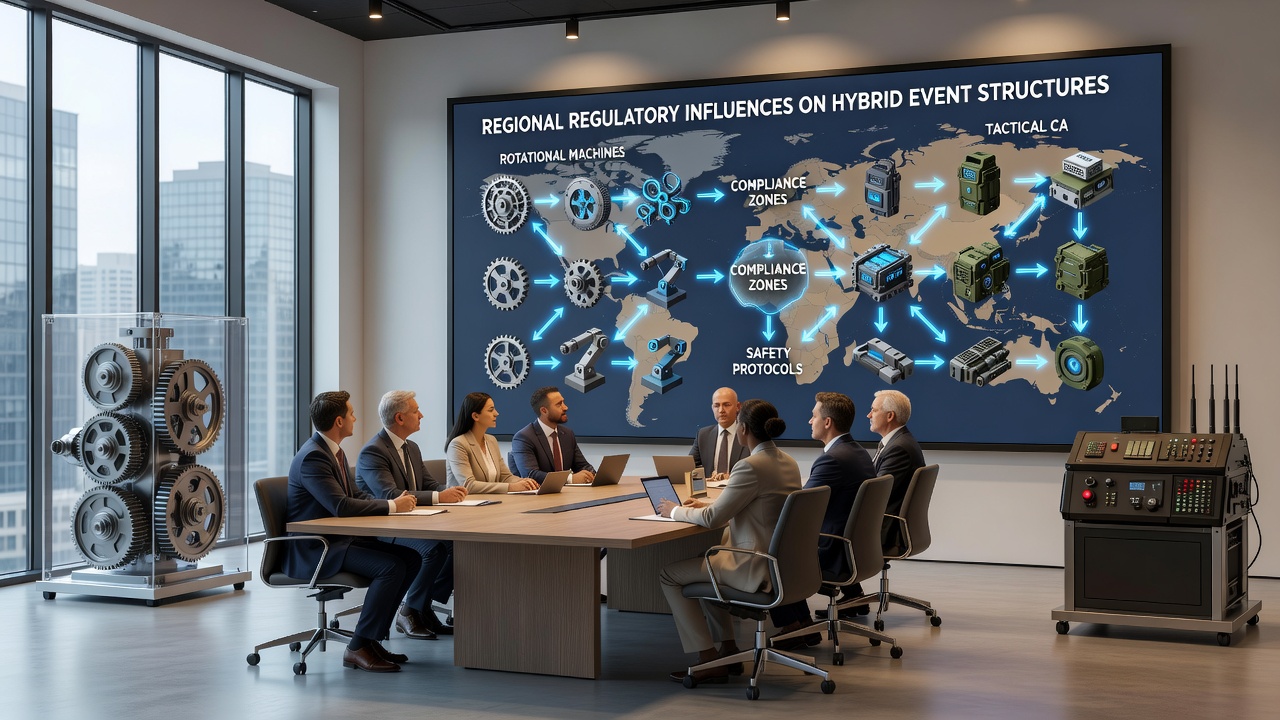
These regional differences create practical adjustments during event planning, and organizers frequently redesign layouts to isolate machine areas from card tables when local rules demand physical separation. Research from industry reports indicates that compliance costs rise when events cross multiple jurisdictions because each regulatory body may demand unique technical standards for software linking the two formats.
Operational Impacts on Event Design and Timing
Event structures adapt to these influences through modified round sequencing and platform configurations that satisfy the strictest applicable rules in each region. Data indicates that tournaments scheduled for international audiences incorporate buffer periods between reel rotations and card play phases to accommodate verification processes required by different authorities. Operators have observed that payment processing systems must also align with regional standards governing both machine credits and card game stakes within the same event.
July 2026 schedules already reflect these adaptations, with several planned hybrid gatherings adjusting registration windows to allow extra time for multi-jurisdictional compliance checks. Such scheduling shifts help organizers avoid conflicts when rotational machine certifications and card play approvals follow different renewal cycles.
Conclusion
Regional regulatory influences continue to drive structural modifications in hybrid events that combine rotational machines and tactical card play, with each jurisdiction imposing distinct requirements on licensing, auditing, and participant protections. These variations produce measurable differences in how events are organized across locations, and operators respond by tailoring formats to satisfy overlapping yet separate rule sets. Ongoing updates through 2026 will likely extend these patterns as additional reporting obligations take effect.