Layered Reward Mechanisms: Exploring Incentive Structures in Slots, Poker, and Live Dealer Platforms
Quinn Baumann · Aug 29, 2026

Layered Reward Mechanisms: Exploring Incentive Structures in Slots, Poker, and Live Dealer Platforms
Modern gaming platforms deploy multi-tiered loyalty systems that assign points, status levels, and redemption options based on player activity across spinning reels, card tables, and real-time dealer interfaces, with data from industry reports showing measurable shifts in session length and repeat visits when these layers interact. Operators track metrics such as coin-in volume, hand frequency, and live stream duration to calibrate rewards, while August 2026 figures from regulatory trackers indicate continued growth in hybrid engagement where players move between game categories within single accounts.
Core Components of Tiered Incentive Systems
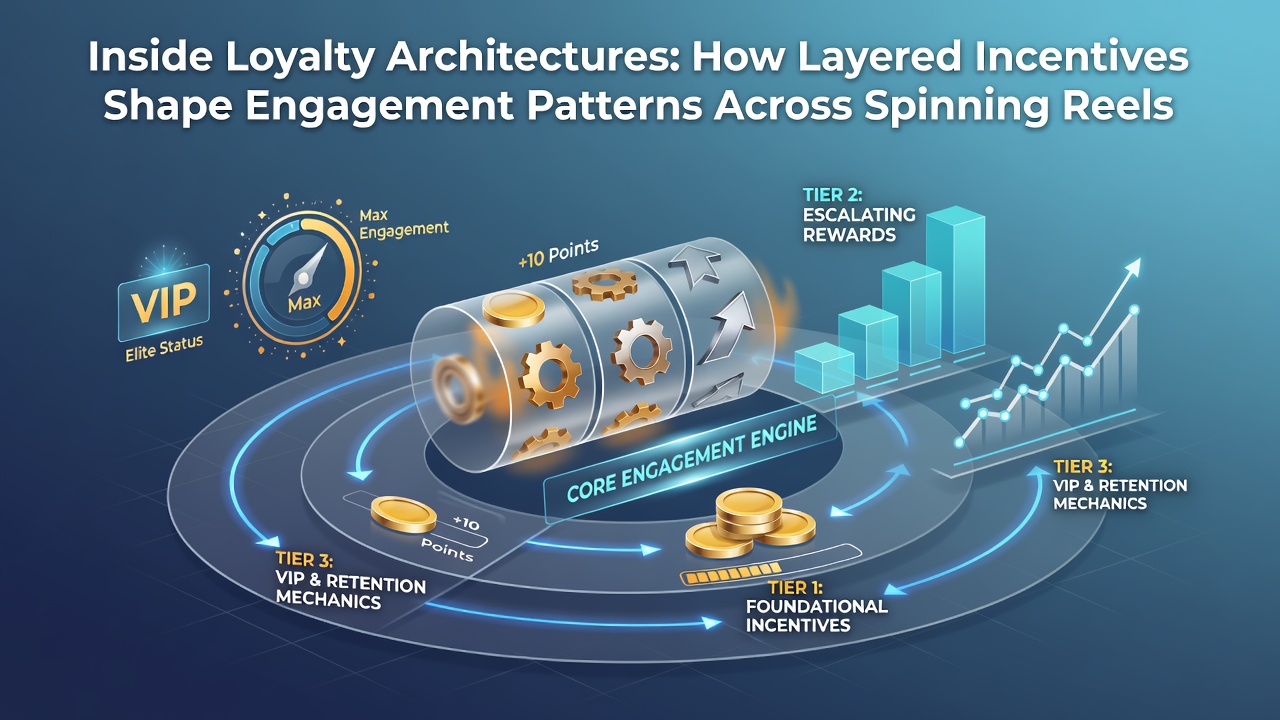
Points accumulation forms the base layer, converting wagers into redeemable credits or free play across slots, video poker, and live dealer tables, yet higher tiers unlock personalized multipliers, exclusive tournaments, and cashback percentages that scale with lifetime value calculations. Research from the American Gaming Association demonstrates how these structures correlate with increased cross-category play, as players who reach mid-tier status often extend sessions into live dealer environments after starting on reels. Cashback rates typically range from 0.1 percent at entry levels to 1.5 percent at top tiers, with operators adjusting formulas quarterly based on churn data collected through player management software.
Engagement Patterns on Spinning Reels
Slot-focused incentives emphasize free spins, bonus rounds, and progressive jackpot contributions that reset daily or weekly, encouraging consistent logins even during low-volatility periods. Observers note that players receiving layered slot rewards show higher average daily spins when combined with tiered status perks such as faster withdrawal processing or dedicated account managers, according to aggregated platform analytics released in mid-2026. Retention curves flatten when operators introduce milestone bonuses tied to reel activity, such as additional loyalty points after every 500 spins, which data indicates reduces drop-off rates by measurable margins compared to flat reward models.
Card Table and Poker Incentive Dynamics
Table game loyalty layers incorporate rake rebates, tournament ticket allocations, and seat reservation privileges that activate at specific point thresholds, fostering longer dwell times at poker variants and blackjack tables. Studies from academic gaming research groups reveal that players progressing through card-specific tiers participate in more multi-table sessions, particularly when rewards include hybrid elements like reel credits earned through poker milestones. Payment flexibility further amplifies these patterns, as deposit-linked bonuses tied to card play history integrate with live dealer promotions to sustain engagement across mobile and desktop interfaces throughout August 2026 reporting periods.
Real-Time Dealer Interface Reward Integration
Live dealer platforms layer incentives around session duration, chat participation metrics, and specific game outcomes such as blackjack wins or roulette streaks, converting these into redeemable experiences like private tables or dealer shout-outs. Figures from European regulatory summaries highlight how combined reel-to-live transitions increase when operators award cross-category points that carry over from spinning reels into dealer-hosted blackjack or baccarat, creating seamless progression paths. Those monitoring platform data observe that top-tier players in live environments receive accelerated point accrual during peak hours, which aligns with broader patterns of evening engagement spikes documented across multiple jurisdictions.
Cross-Category Interactions and Retention Data
Hybrid play emerges when layered incentives allow points earned on reels to unlock advantages at card tables or live streams, producing documented upticks in overall account activity according to industry association compilations. Payment choice influences these flows, with certain deposit methods unlocking immediate tier boosts that encourage shifts between game types within the same session. August 2026 tracking reports show platforms blending rotational mechanics with strategic card elements and live features achieve higher monthly active user retention when reward visibility spans all three categories rather than isolating them. External analyses from Canadian gaming research centers further connect these architectures to reduced single-category dependency, as players explore adjacent offerings once base incentives accumulate.
Conclusion
Layered loyalty architectures continue to evolve through integration of data-driven thresholds and cross-vertical redemptions that span spinning reels, card tables, and real-time dealer interfaces, with ongoing regulatory and industry reports providing snapshots of their measurable effects on engagement metrics. Operators refine these systems based on regional activity patterns, ensuring incentive distribution remains responsive to observed player movement across platforms.