Integrated Reward Mechanisms in Mobile Platforms Blending Rotational Mechanics and Card-Based Strategy via Flexible Funding Methods
Quinn Baumann · Jul 14, 2026

Integrated Reward Mechanisms in Mobile Platforms Blending Rotational Mechanics and Card-Based Strategy via Flexible Funding Methods
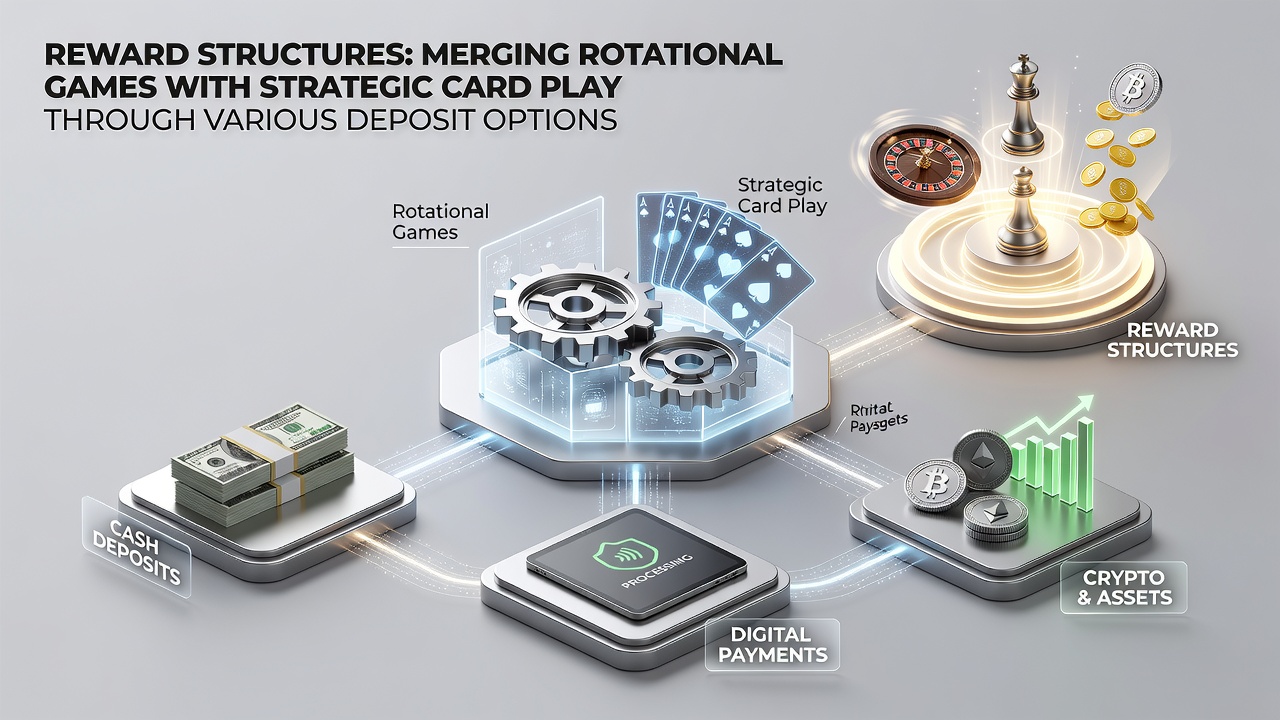
Hybrid gaming applications on portable devices have developed reward frameworks that connect rotational reel sequences with strategic card decisions, and these structures often adjust according to the funding methods players select during account setup and ongoing sessions. Data from industry tracking services reveal that such integrations gained traction through 2025 and into July 2026 as developers responded to user patterns favoring combined play modes over isolated formats.
Core Components of Merged Reward Systems
Rotational elements typically generate base points through symbol alignments while card play layers introduce multipliers based on hand rankings or round outcomes, yet the overall progression ties directly to deposit timing and amount. Observers note that platforms configure loyalty tiers where initial funding via certain processors unlocks accelerated point accrual across both game types, and subsequent top-ups maintain or adjust those rates depending on method consistency. Research from academic studies on digital entertainment economics shows these layered incentives encourage sustained engagement because users see direct correlations between funding choices and reward velocity in real time.
Impact of Deposit Variations on Progression Rates
Payment processors differ in processing speeds and fee structures, which in turn influence how quickly reward balances update after each transaction. E-wallet transfers often credit accounts within seconds and trigger immediate bonus eligibility for hybrid sessions, whereas bank-linked methods may introduce brief delays that pause point accumulation until verification completes. Figures from regulatory filings indicate that mobile users who select instant options complete more combined reel-and-card rounds per hour, leading to higher cumulative rewards over equivalent play periods. Developers have adjusted algorithms so that deposit size thresholds activate tiered benefits, such as enhanced card draw probabilities or reel spin bonuses, and these adjustments appear uniformly across major operating systems.
One documented case involved a platform that linked credit card deposits above a set threshold to exclusive hybrid tournament entries, where participants alternated rotational spins and poker-style decisions within single matches. Data collected during those events demonstrated measurable differences in reward distribution compared with sessions funded through slower channels.
Platform Adaptations Observed Through Mid-2026
By July 2026 several providers had implemented dynamic interfaces that display reward forecasts based on selected deposit options before transactions finalize. These displays pull from historical user data to project point yields across rotational and strategic segments, allowing informed choices without altering core game rules. Industry reports compiled by trade associations highlight that such transparency correlates with increased session lengths when users perceive clear value alignment between funding method and potential returns.
Geographic variations also surface in how regulations shape these structures. Canadian provincial oversight documents describe requirements for clear disclosure of reward modifiers tied to payment types, while Australian state-level guidelines emphasize testing for fairness in hybrid progression systems. European operators under Malta-based licensing have published compliance summaries showing standardized testing protocols that verify deposit-linked rewards do not favor one game component disproportionately.
User Behavior Patterns and Retention Data
Analytics platforms tracking mobile gaming report that participants who rotate between multiple deposit methods within a single account often exhibit broader exploration of hybrid features. Retention metrics compiled over quarterly periods indicate higher return rates when reward structures remain consistent across funding sources rather than resetting upon method changes. Studies conducted by university research groups on behavioral economics in digital environments found that predictable reward scaling based on deposit history supports longer-term participation compared with randomized or method-specific restrictions.
Additional examples include loyalty programs that award bonus card packs after a series of reel-focused deposits or grant rotational free plays following strategic card round funding. These crossovers maintain balance between the two mechanics without requiring separate tracking systems, adn platform logs show they activate reliably once deposit patterns meet predefined criteria.
Technical Integration Challenges and Solutions
Backend systems must synchronize reward ledgers across rotational and card modules while accounting for real-time deposit status. Engineers address latency through queued processing that applies modifiers immediately upon successful transaction confirmation, and testing protocols confirm that mobile network variability does not disrupt point allocation. Reports from software development firms specializing in gaming applications note that API connections to multiple payment gateways allow seamless switching, preserving reward continuity even when users alternate between options during extended sessions.
Security protocols further ensure that deposit verification steps do not expose reward balances to unauthorized access, maintaining integrity across both game types. Compliance documentation from various jurisdictions confirms regular audits of these integrated systems to verify consistent application of rules regardless of funding source.
Conclusion
Integrated reward mechanisms in mobile environments continue to evolve as developers refine connections between rotational sequences, card strategy elements, and deposit flexibility. Available data through July 2026 demonstrate measurable effects on progression rates and user patterns, shaped by technical implementations and regional oversight frameworks. Ongoing monitoring by industry and academic sources will track how these structures adapt to emerging payment technologies and player preferences.