Incentive Structures Shape Participation Patterns Across Mobile Platforms That Blend Rotational Mechanics with Card Competitions and Live Interactions
Cameron Hayes · Jul 9, 2026
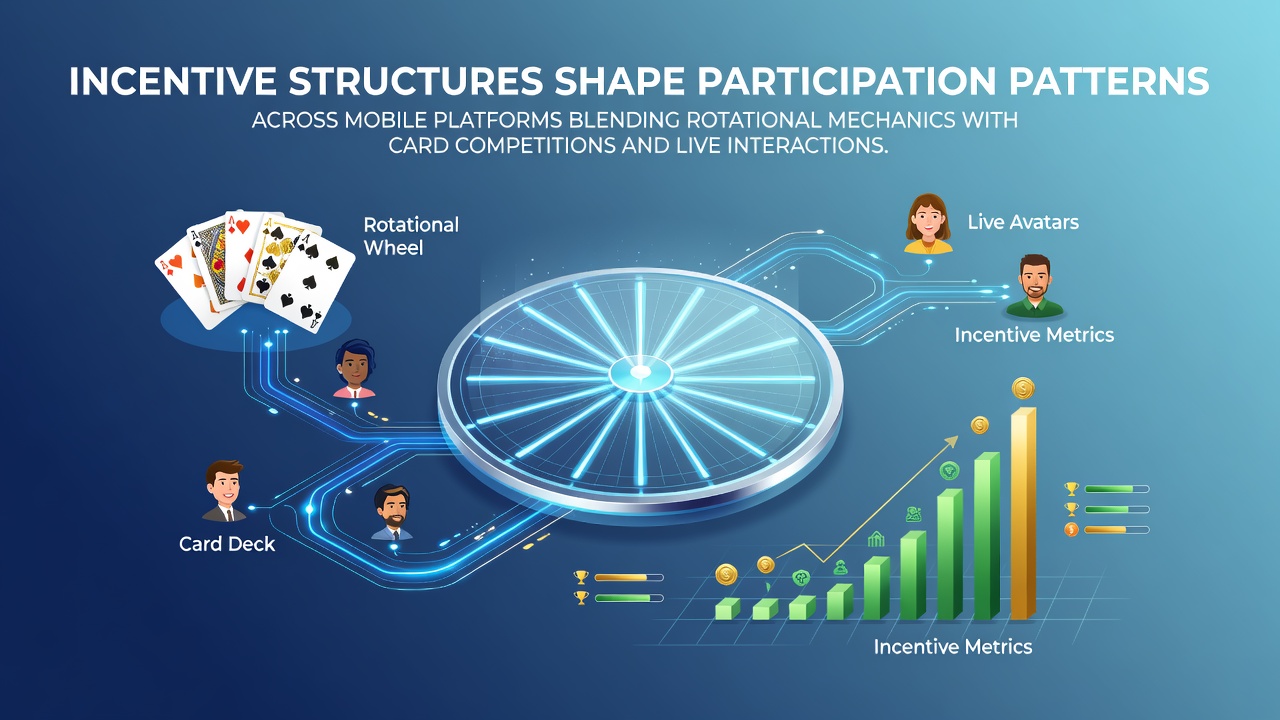
Incentive Structures Shape Participation Patterns Across Mobile Platforms That Blend Rotational Mechanics with Card Competitions and Live Interactions
Hybrid mobile platforms integrate rotational mechanics like spinning reels, card competitions such as poker variants, and live dealer interactions into single ecosystems, and incentive structures play a central role in determining how users allocate their time across these components. Data from industry tracking services shows that reward tiers, bonus multipliers, and progression systems directly correlate with session lengths and activity preferences in these environments. Observers note that players gravitate toward features offering the highest immediate returns, which often shifts engagement patterns as incentives rotate or expire.
Core Components of Hybrid Mobile Gaming Platforms
Rotational mechanics typically involve reel-based sequences that deliver outcomes through random number generators, while card competitions require strategic decisions during draws and bets, and live interactions connect users to real-time hosts or opponents via video streams. These elements combine on portable devices through unified interfaces that allow seamless switches between modes. Research indicates that platforms employing unified loyalty points across all three features see higher cross-mode transitions compared to those isolating rewards by category. Figures from mid-2026 reveal consistent growth in user bases for apps that synchronize incentives with live session schedules.
Types of Incentive Structures in Use
Daily login streaks, deposit match bonuses, and achievement unlocks represent common incentive types that platforms deploy to guide participation. Multipliers applied to rotational outcomes often pair with leaderboard rankings in card events, while live sessions frequently award exclusive tokens redeemable only during specific hours. Studies from academic sources on digital engagement demonstrate that tiered reward ladders encourage longer overall play periods because users chase cumulative benefits that span multiple mechanics. But here's the thing: when incentives emphasize one mode heavily, such as live dealer bonuses, participation in rotational elements tends to decline until the structure resets.
Regional Regulatory Influences on Incentive Design
Agencies like the Malta Gaming Authority and the Australian Communications and Media Authority monitor how incentives affect player behavior to ensure compliance with transparency rules. Reports compiled in July 2026 highlighted adjustments in reward disclosure requirements that prompted several platforms to clarify bonus conditions for hybrid features. These changes coincided with updated participation data showing more balanced engagement across rotational, card, and live components when terms appear upfront. External analyses link clearer incentive communication to steadier retention rates rather than spikes followed by drop-offs.
Observed Shifts in Participation Patterns
Participation data collected across multiple regions indicates that users respond to incentive timing by clustering activity around promotional windows. Rotational mechanics often attract volume during free spin offers, whereas card competitions draw focused groups when entry fees receive partial rebates through live event tie-ins. Researchers discovered that live interactions maintain steadier involvement when incentives include social rewards such as shared pot contributions. One pattern emerging in 2026 analytics involves users who begin sessions with rotational features and migrate to card play once progression bonuses activate, illustrating how structures sequence behaviors without explicit direction.
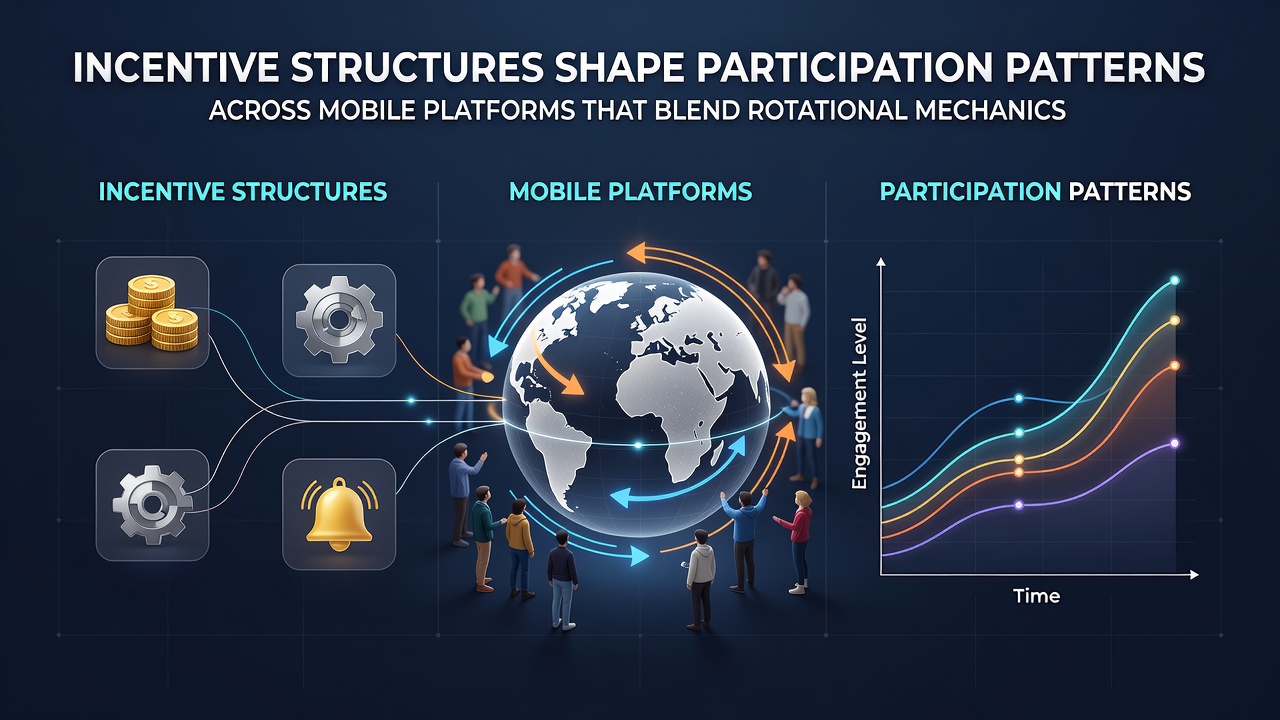
Platforms that refresh incentive sets weekly experience more distributed participation than those maintaining static systems, according to aggregated usage statistics. This distribution appears because fresh rewards reset attention across mechanics rather than allowing entrenched preferences to dominate. Evidence suggests seasonal events in July 2026 amplified these effects when combined with holiday-themed live sessions that offered rotational bonus entries.
Integration of Rotational, Card, and Live Elements Through Rewards
Effective incentive frameworks link rotational results to card competition qualifiers, such as converting reel wins into tournament tickets, which then feed into live dealer events with additional multipliers. This chaining approach creates pathways that increase overall session depth. Data shows users who complete full cycles across the three mechanics accumulate higher total rewards than those focusing on isolated features. Observers note that live interactions benefit particularly when incentives include audience participation elements like collective challenges tied to ongoing card hands or reel sequences.
Payment method flexibility further modulates these patterns because certain deposit options unlock instant incentive access while others delay activation. Regulatory filings from Canadian provincial bodies document variations in participation velocity based on processing speed, with faster methods correlating to quicker transitions between modes. Yet platforms maintain compliance by separating incentive eligibility from transaction details in user interfaces.
Conclusion
Incentive structures continue to guide how participants navigate hybrid mobile platforms that merge rotational mechanics, card competitions, and live interactions. Tracking from 2026 demonstrates measurable links between reward design and activity distribution, with platforms adapting structures to maintain engagement balance. Continued monitoring by international regulators supports consistent application of these frameworks across regions, providing users with predictable pathways through combined game modes.