How Payment Options Influence Competitive Edges in Mobile Tournaments with Mixed Video Poker, Slots, and Live Dealer Elements
Anna Wolf · Jun 20, 2026
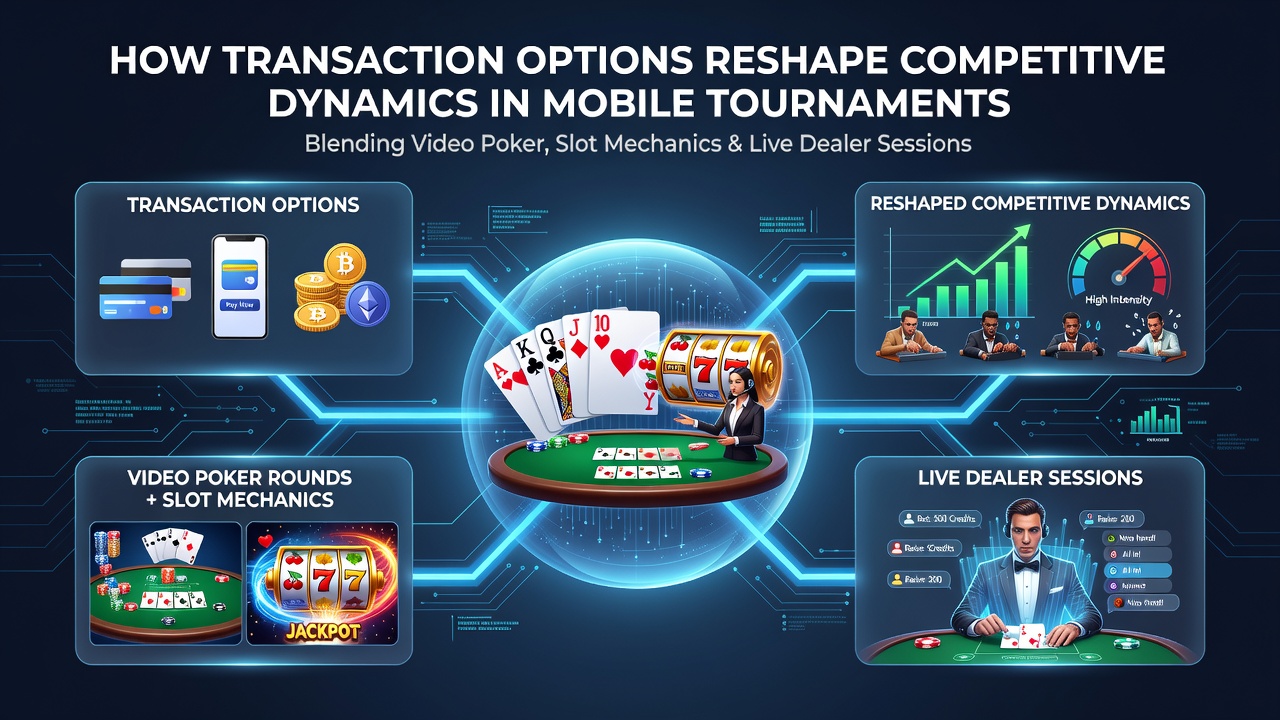
How Payment Options Influence Competitive Edges in Mobile Tournaments with Mixed Video Poker, Slots, and Live Dealer Elements
Transaction options have become central to how competitors navigate mobile tournaments that blend video poker rounds with slot mechanics and live dealer sessions, since deposit speed, withdrawal limits, and processing fees directly affect bankroll management and re-entry decisions during timed events.
Platforms offering instant e-wallet transfers allow players to replenish funds between rounds without interruption, whereas traditional bank transfers often impose delays that restrict participation in fast-paced segments combining reel spins with strategic card play. Data from industry reports shows these differences create measurable shifts in participation rates across regions where mobile hybrid formats have expanded since early 2025.
Mechanics of Hybrid Tournament Structures
Mobile tournaments integrating video poker, slot elements, and live dealer tables require participants to switch between automated reel sequences, decision-based poker hands, and real-time dealer interactions within single event brackets, and payment methods determine how quickly entrants can adjust stakes when crossing between these segments. Faster processing options reduce downtime that otherwise accumulates when moving from a slot-driven multiplier phase into a live dealer showdown, allowing competitors to maintain momentum that slower methods disrupt through pending authorizations.
Observers tracking platform activity note that e-wallet and cryptocurrency options frequently support lower minimum deposits compared with credit card routes, which enables broader entry into satellite qualifiers leading to main events scheduled throughout June 2026. This accessibility alters bracket compositions by drawing participants who rely on smaller, repeated funding cycles rather than single large transfers.
Regional Payment Regulations and Participation Patterns
Regulatory frameworks in North America and parts of Europe impose varying rules on transaction verification times, and these rules intersect with mobile tournament scheduling in ways that favor certain deposit channels. For instance, platforms licensed under New Jersey Division of Gaming Enforcement guidelines must apply standardized verification steps that extend processing for some methods but streamline others, creating competitive windows during live dealer rounds where quick top-ups decide advancement.
Similar patterns appear in Australian markets regulated by state authorities, where instant banking integrations have correlated with higher retention in events that mix slot mechanics with video poker elimination stages. Figures released by the American Gaming Association indicate mobile hybrid events recorded increased average session lengths when instant payment rails were prioritized, particularly during multi-week series running into mid-2026.
Strategic Adjustments Driven by Fee Structures
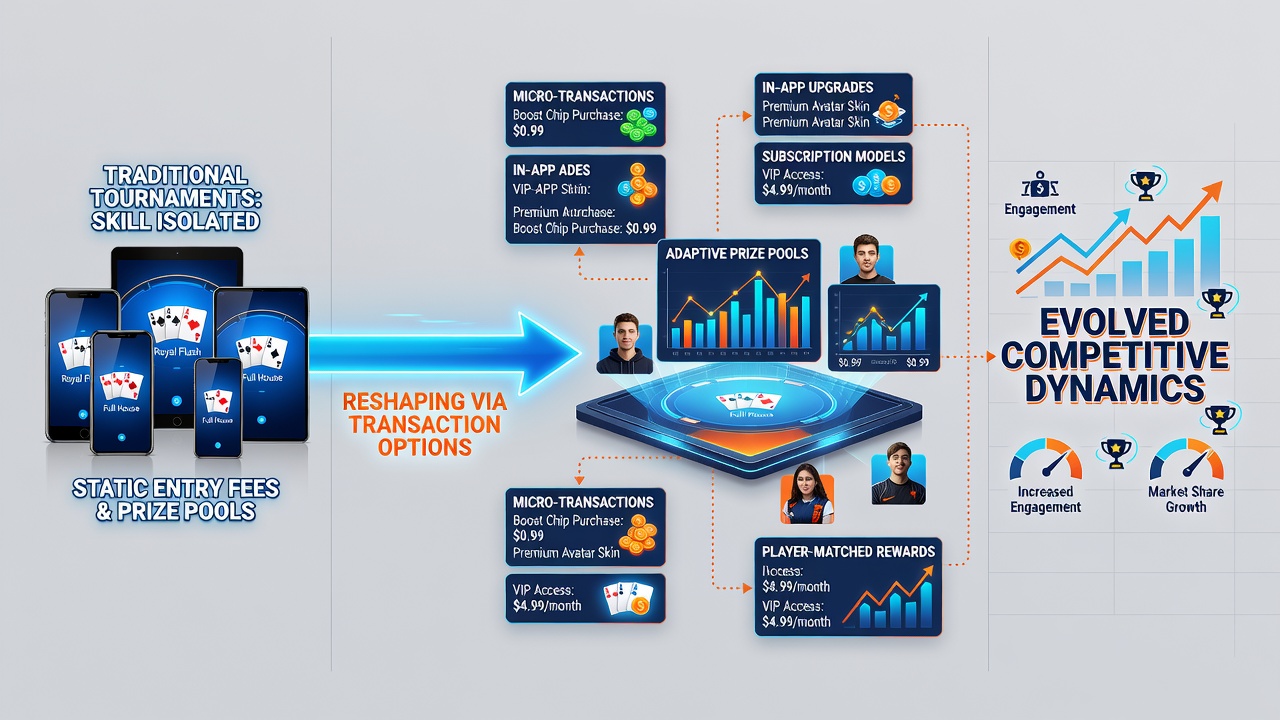
Transaction fees attached to different payment options influence how competitors allocate resources across tournament phases, since even small percentages compound when players re-enter after early eliminations in combined formats. Those using prepaid card systems often face flat charges that encourage conservative stake progression during slot-heavy segments, while fee-free digital wallet routes permit more aggressive adjustments when transitioning into live dealer poker elements.
Research compiled by academic groups studying digital gaming economics has documented that fee disparities lead to distinct strategy clusters, with some participants clustering around low-cost methods to preserve capital for final tables. This clustering becomes especially visible in events where prize pools scale according to total entries, and payment flexibility determines how many re-buys occur before registration closes.
Live Integration and Real-Time Funding Impacts
Live dealer sessions embedded within mobile tournaments demand continuous connectivity and immediate funding access, since table minimums can shift rapidly when slot mechanics trigger bonus multipliers that carry over into card rounds. Payment systems supporting one-tap verification enable seamless continuation, whereas methods requiring additional authentication steps create gaps that opponents exploit through faster table claims.
Industry analyses from Canadian regulatory bodies highlight that provinces permitting broader digital payment adoption saw measurable increases in concurrent participation rates for blended events during spring 2026 rollouts. These increases stem from reduced friction when competitors need to convert winnings from one segment into entry fees for subsequent stages without leaving the application interface.
Conclusion
Transaction options continue to define participation boundaries and tactical choices within mobile tournaments that merge video poker, slot mechanics, and live dealer sessions, as processing characteristics directly shape entry timing, stake flexibility, and overall bracket dynamics across multiple jurisdictions. Platforms adapting to these patterns through expanded method support have recorded sustained engagement levels into June 2026, reflecting ongoing adjustments in how competitors approach hybrid formats under existing regulatory conditions.