How Payment Flexibility Influences Rivalries in Mobile Hybrid Gaming Tournaments Combining Reels, Cards, and Live Action
Elena Peters · Jun 2, 2026
How Payment Flexibility Influences Rivalries in Mobile Hybrid Gaming Tournaments Combining Reels, Cards, and Live Action
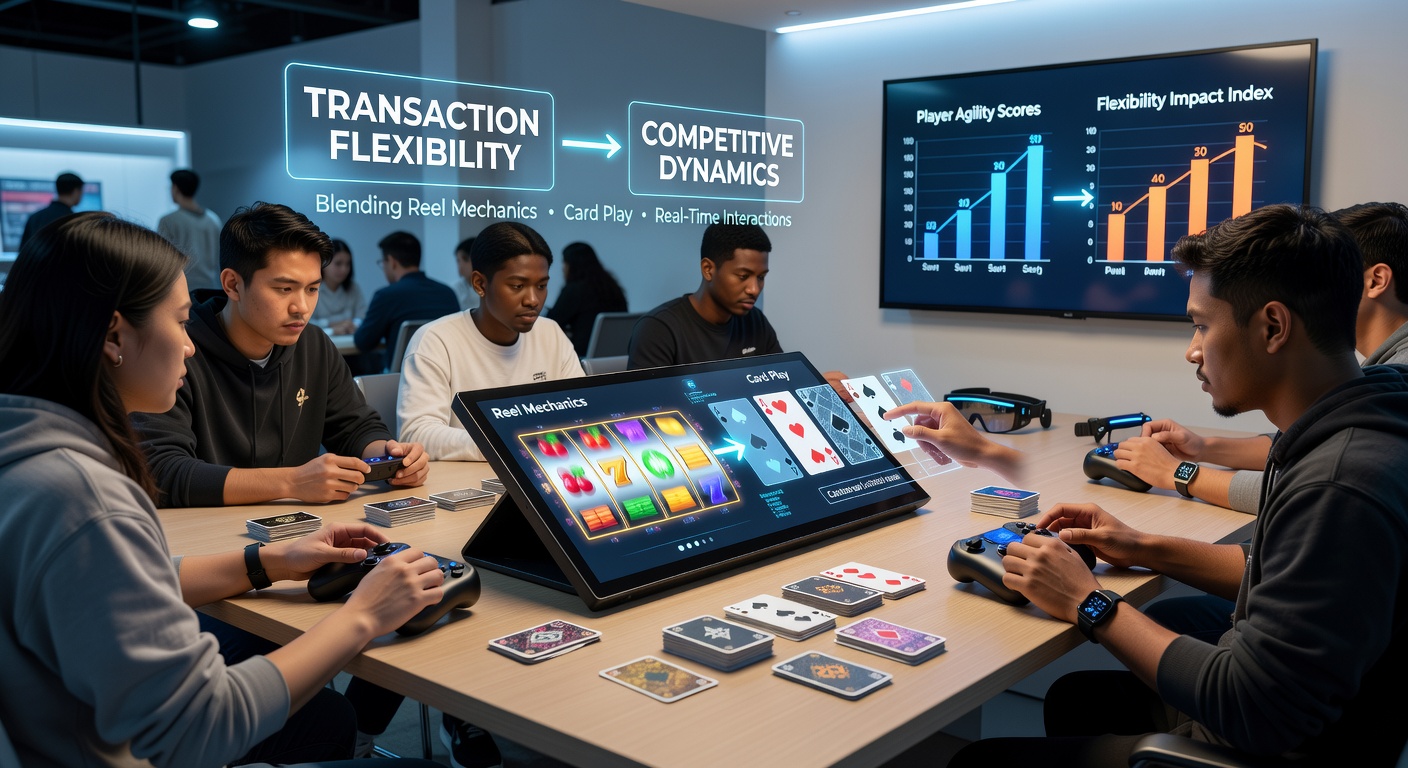
Transaction flexibility has emerged as a central factor in shaping how competitors engage with portable hybrid gaming events that merge reel mechanics, card play, and real-time interactions, and researchers have tracked these patterns closely through 2026. Players access events via smartphones and tablets where deposit options range from instant bank transfers to cryptocurrency wallets, and these choices directly affect participation rates in tournaments that blend spinning reels with poker-style card rounds and live dealer streams. Data from industry reports indicate that platforms offering multiple withdrawal speeds see higher retention among participants who move between reel-based bonus rounds and card table challenges within the same session.
Mechanics of Hybrid Portable Events
Hybrid events combine traditional reel spins that trigger multipliers with card play sequences where players build hands against live opponents, while real-time chat and video feeds maintain continuous interaction. Observers note that transaction flexibility allows entrants to fund accounts quickly before a reel round starts or to cash out winnings between card hands without exiting the live stream. Studies conducted by academic institutions show that seamless payment processing correlates with increased frequency of multi-stage participation, as users switch from reel mechanics to card elements without delays that break momentum.
Impact on Competitive Dynamics
Competitive dynamics shift when transaction systems support varied methods because entrants from different regions can join events using local banking options or digital currencies that process in seconds. Figures from regulatory bodies such as the Nevada Gaming Control Board reveal rising numbers of cross-border entries in June 2026 events, where flexible deposits enabled players to enter reel-card hybrid tournaments on short notice. Those who studied participation logs found that platforms with instant verification tools reduced entry barriers, leading to denser fields in live interaction segments and more intense rivalries during card play phases triggered by reel outcomes.
Regional Variations and Payment Integration
Regional differences appear in how payment systems integrate with hybrid formats, and evidence from the Malta Gaming Authority highlights that European operators providing e-wallet support alongside traditional cards attract broader player pools for portable events. Participants often discover they can adjust stakes mid-event by adding funds during real-time card rounds or reel bonus triggers, which alters strategy and competitive balance. Research indicates that slower transaction options correlate with lower engagement in time-sensitive live interactions, whereas flexible systems keep users active across both reel and card components throughout extended sessions.

Take one analysis from a Canadian research group that examined mobile tournament data and found payment speed influenced how often players re-entered after losses in reel phases or advanced to card finals. Platforms that offered instant refunds or balance top-ups saw competitors return faster, sustaining rivalries across multiple rounds of blended mechanics. What's significant is that these patterns held steady into June 2026, when portable hybrid events expanded their live dealer integrations and required reliable transaction flows to maintain event pacing.
Case Examples from Recent Events
One documented case involved a series of June 2026 mobile tournaments where operators introduced tiered deposit limits tied to real-time interaction features, and participation metrics rose among users who selected cryptocurrency options for quicker reel-to-card transitions. Another example surfaced in reports from industry trade groups showing that events blending reel mechanics with card play retained higher competitor counts when withdrawal flexibility allowed winners to access funds immediately after live rounds concluded. Those who've examined these tournaments note that payment choices affected not only entry numbers but also the depth of strategy employed during hybrid sequences, as players planned around available funding methods.
Conclusion
Transaction flexibility continues to define competitive edges in portable hybrid gaming events that integrate reel mechanics, card play, and real-time interactions, with data collected through mid-2026 confirming its role in player access and event flow. Regulatory updates and platform adaptations have standardized faster processing across regions, enabling consistent participation without geographic or technical interruptions. Observers tracking these developments report sustained growth in hybrid formats where payment options align directly with the pace of reel spins, card decisions, and live exchanges.